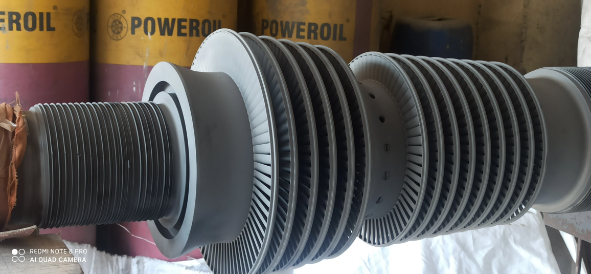
Sand Blasting & Surface Preparation
Precision Abrasive Blasting: Clean Metal Without Compromising Critical Tolerances
4 Media Types
Matched to Substrate
SSPC/NACE
Surface Prep Standards
100%
Critical Surfaces Masked
Workshop/Site
Flexible Deployment
Why Our Engineers
Aggressive or wrong-media blasting can round edges, roughen sealing faces, and destroy the exact tolerances your rotor was machined to. We mask every critical surface before blasting starts and match media grade to the substrate, so you get a clean, paint-ready surface without touching a single machined dimension.
Overview
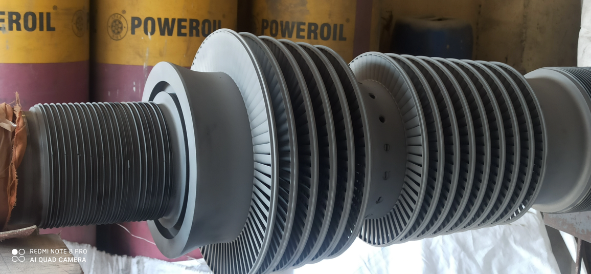
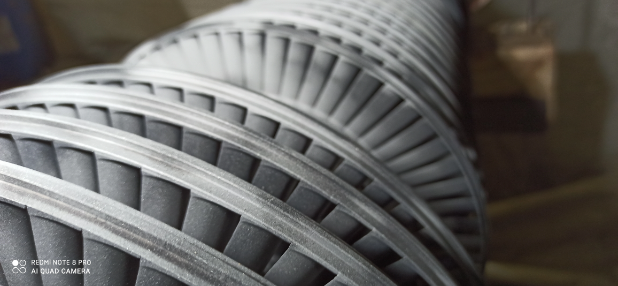
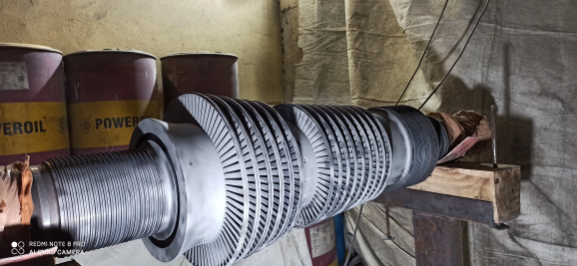
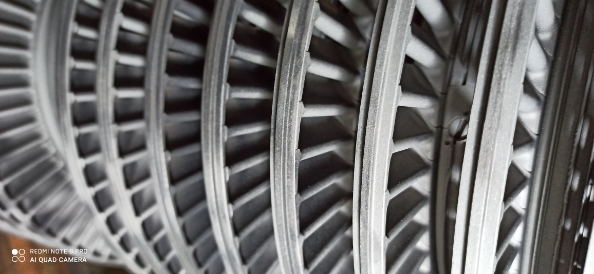
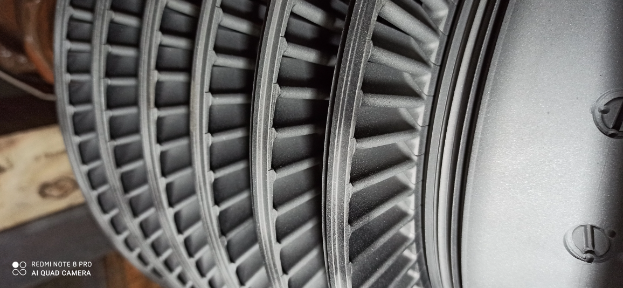
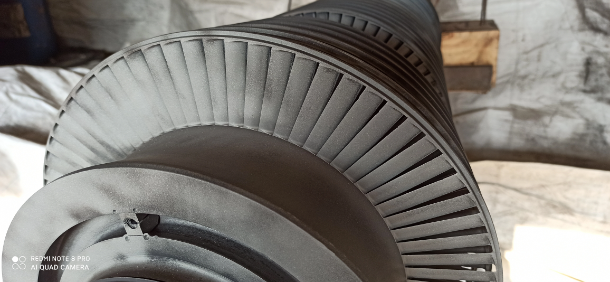
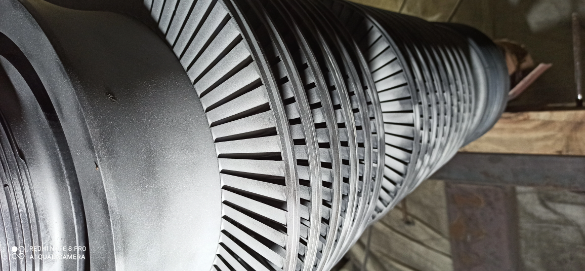
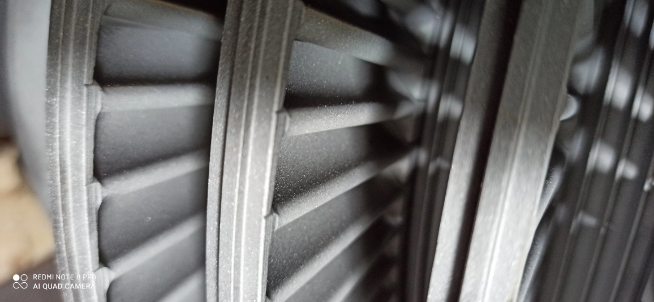
Before any turbine rotor, casing, or component can be accurately inspected, reverse-engineered, NDT-tested, or recoated, its surface must be free of rust, scale, old paint, and carbon deposits, and that surface must be prepared without damaging the underlying machined geometry. Keshav Enterprises provides controlled abrasive blasting for turbine components using media selected to match the substrate and required finish: coarser media for structural steel and casings, and fine glass bead or walnut shell for delicate machined surfaces. Every journal, seal land, thread, and precision-machined feature is masked and protected before blasting begins. The result is a clean, uniformly profiled surface (verified against SSPC/NACE surface preparation standards) ready for accurate measurement, NDT, or recoating.
Our Process
Component Assessment & Masking
Inspection of the component to identify all critical machined surfaces (journals, seal lands, threads, gasket faces) that must be protected from blast media. All such areas masked using purpose-made covers, tape, or fitted plugs before any blasting begins.
Media Selection
Blast media selected to match substrate hardness and required surface profile: aluminium oxide or garnet for structural steel and casings, fine glass bead for delicate rotor surfaces and thin-wall components, walnut shell for the gentlest cleaning of precision parts.
Rust, Scale & Coating Removal
Controlled blasting at a pressure and standoff distance matched to the component removes rust, mill scale, old paint, and carbon deposits down to a uniform, contaminant-free surface, without introducing pitting, warping, or dimensional change.
Surface Profile Verification
Anchor pattern (surface profile) measured using a profile comparator or replica tape to confirm the surface meets the SSPC-SP or NACE standard required for the follow-on coating or inspection process.
Dust & Debris Control
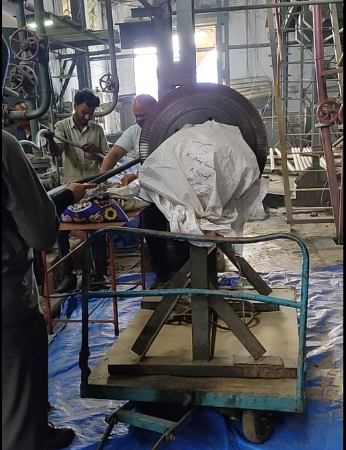
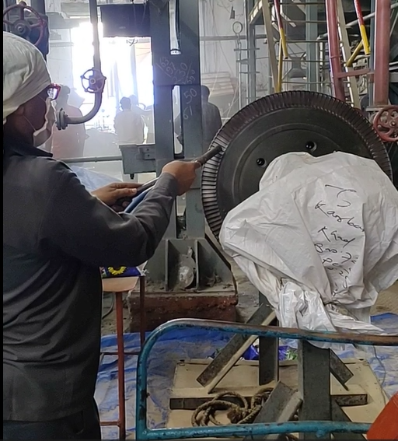
Blasting carried out in a contained booth at our workshop, or using vacuum-recovery shrouded equipment on-site, to control dust and protect surrounding plant and personnel.
Final Inspection & Handover
Masking removed, all protected surfaces re-checked against original dimensions, and the component visually inspected for uniform blast coverage before handover for measurement, NDT, coating, or reassembly.
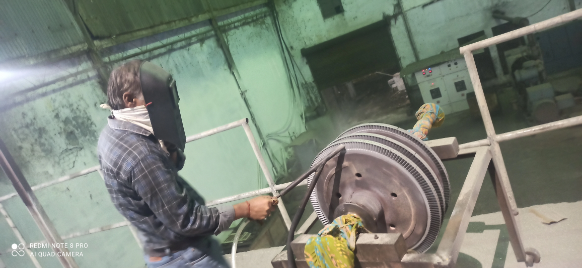
Gallery

What's Included
- Rotor, casing, blade & diaphragm surface cleaning before inspection or NDT
- Media selection (garnet, aluminium oxide, glass bead) matched to substrate & surface finish
- Masking and protection of machined journals, seal lands & threaded surfaces
- Surface preparation to SSPC/NACE standards ahead of painting or recoating
- Rust, scale & carbon deposit removal from steam path components
- Dust-contained blasting booth & portable on-site blasting equipment
- Profile (anchor pattern) verification for coating adhesion
OEM Expertise
Ready to discuss sand blasting & surface preparation?
Tell us your turbine make and requirement — we respond with a technical scope.